


For organisations managing critical infrastructure, from hospitals and transport hubs to data centres and industrial facilities, fire prevention is not simply a compliance requirement. It is a core component of operational resilience, safety and business continuity. In these environments, the consequences of fire extend far beyond property damage. Even a minor incident can disrupt essential services, compromise safety and trigger significant financial and reputational impact. As a result, fire prevention strategies are becoming more proactive, data-driven and integrated with wider risk management frameworks…
Understanding complex risk profiles
Critical infrastructure sites present unique fire risks due to their scale, complexity and continuous operation. Hospitals must balance fire safety with patient mobility and clinical equipment. Data centres face risks linked to high-density electrical loads and cooling systems. Transport hubs and industrial sites contend with large volumes of people, machinery and hazardous materials.
Effective fire prevention begins with a comprehensive risk assessment that considers both physical infrastructure and operational processes. This includes identifying high-risk zones, understanding ignition sources and mapping how fire could spread across interconnected systems.
Moving from detection to prevention
While detection and suppression systems remain essential, there is increasing emphasis on preventing incidents before they occur.
Advanced monitoring technologies, such as thermal imaging, smoke detection analytics and IoT-enabled sensors, can identify early warning signs like overheating equipment or abnormal environmental conditions. This allows facilities teams to intervene before a fault escalates into a fire.
Predictive maintenance also plays a critical role, particularly in environments with complex electrical or mechanical systems.
Integrating fire safety with operations
In high-risk environments, fire prevention cannot operate in isolation. It must be closely aligned with day-to-day operations, maintenance schedules and security protocols.
For example, ensuring clear access routes, maintaining fire compartmentation and managing contractor activity are all essential elements of a holistic strategy. In busy environments like transport hubs, crowd flow and evacuation planning must also be carefully considered.
Regular training and drills are vital to ensure staff can respond effectively under pressure.
Strengthening compliance and accountability
Regulatory expectations around fire safety continue to evolve, particularly in sectors such as healthcare and public infrastructure. Organisations are increasingly required to demonstrate not only compliance, but also ongoing monitoring, documentation and continuous improvement.
Digital reporting tools and audit platforms are helping estates teams maintain accurate records and provide evidence to regulators, insurers and stakeholders.
Building resilience into critical estates
Ultimately, fire prevention in complex environments is about safeguarding both people and operations. By combining robust risk assessment, advanced monitoring and integrated management practices, organisations can reduce the likelihood of incidents and minimise disruption when they occur.
For leaders responsible for critical infrastructure, investing in proactive fire prevention is about ensuring the continuity of essential services in an increasingly risk-sensitive world.
Are you searching for Fire Prevention solutions for your organisation? The City Security & Safety Summit can help!
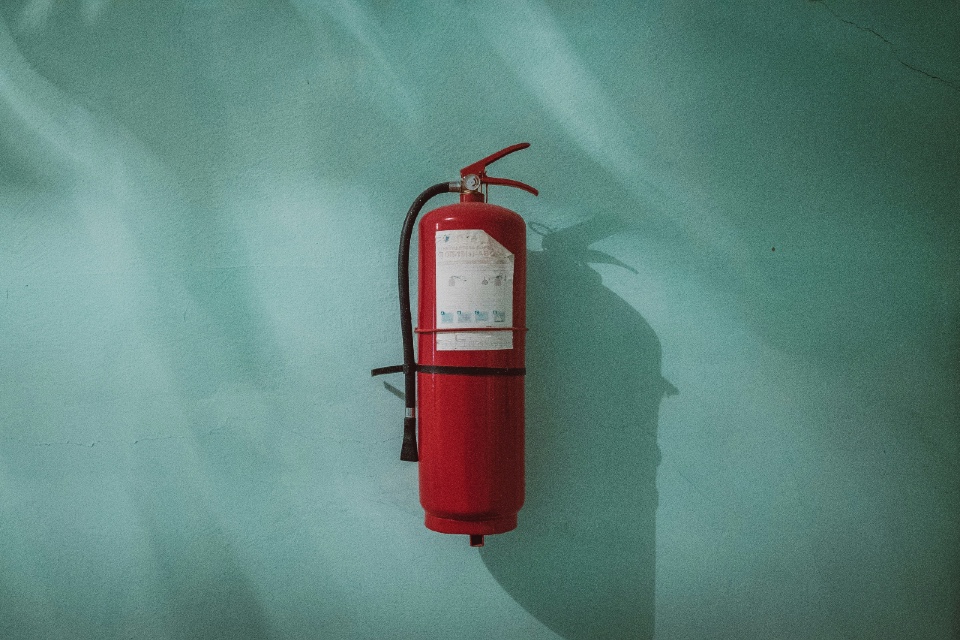
Photo by Homa Appliances on Unsplash