





Modern organisations are now deploying increasingly sophisticated technologies including intelligent CCTV analytics, thermal imaging, radar systems, smart fencing and AI-driven intrusion detection tools. However, for many physical security leaders attending the Total Security Summit, detection is only one part of the challenge…
The real operational value of perimeter security depends on how effectively alerts connect into wider monitoring, incident management and response workflows. Without strong integration between perimeter systems, control rooms and response teams, even advanced detection technologies can generate delays, confusion and operational risk.
As a result, many organisations across critical infrastructure, logistics, utilities, education and commercial estates are reassessing how perimeter security fits into broader security operations strategies.
The Growing Problem of Alert Overload
One of the biggest challenges facing security operations centres (SOCs) and control rooms is alert fatigue.
Modern perimeter systems can generate large volumes of alarms from multiple sources, including motion sensors, analytics platforms, access control systems and video feeds. Without effective filtering and prioritisation, operators may struggle to distinguish genuine threats from nuisance activations.
False alarms remain a major operational issue, particularly in outdoor environments affected by weather conditions, wildlife or environmental movement.
To address this, many organisations are investing in AI-assisted analytics and integrated event management platforms capable of correlating data from multiple security systems before escalating incidents to operators.
The goal is increasingly to reduce noise while improving the speed and accuracy of response.
Integrating Perimeter Detection with Control Room Operations
Integration is becoming one of the most important trends shaping physical security strategy. Rather than operating as standalone technologies, perimeter systems are increasingly being linked directly into:
- video management systems (VMS);
- access control platforms;
- incident management software;
- building management systems;
- mass notification platforms; and
- mobile response applications.
This allows operators to access richer situational awareness during incidents.
For example, when a perimeter alert is triggered, integrated systems may automatically:
- display associated CCTV feeds;
- map incident locations;
- initiate predefined escalation workflows;
- notify mobile patrol teams; and
- generate incident logs for audit purposes.
This level of automation can significantly reduce response times while improving operational consistency.
The Importance of Response Workflows and Escalation Planning
Technology alone, however, is not enough.
Many security incidents escalate unnecessarily because organisations lack clearly defined operational procedures around incident ownership, escalation and response coordination.
As perimeter systems become more intelligent, organisations are placing greater emphasis on standardised incident response workflows that define:
- threat prioritisation criteria;
- operator responsibilities;
- escalation thresholds;
- communication protocols; and
- coordination between security, facilities and operational teams.
For higher-risk sectors such as utilities, transport and critical infrastructure, integration with emergency response and business continuity procedures is becoming increasingly important.
Choosing Integrated Security Solutions
Supplier selection is also becoming more strategic as organisations seek to avoid fragmented security environments.
Physical security leaders are increasingly prioritising solutions that offer:
- open API integration capabilities;
- interoperability with existing systems;
- real-time analytics and automation;
- scalable control room functionality;
- mobile incident management tools; and
- strong cybersecurity protections.
Cyber resilience is a growing concern, particularly as more perimeter technologies become IP-connected and cloud-enabled.
From Passive Monitoring to Active Security Operations
Looking ahead, perimeter security is becoming less about passive monitoring and more about enabling coordinated, intelligence-led security operations.
As threats become more dynamic and estates more complex, organisations will increasingly rely on integrated platforms that connect detection, monitoring and response into a unified operational model.
For physical security leaders, the priority is ensuring the right information reaches the right teams quickly enough to enable effective action.
Are you searching for Perimeter Security solutions for your organisation? The Total Security Summit can help!
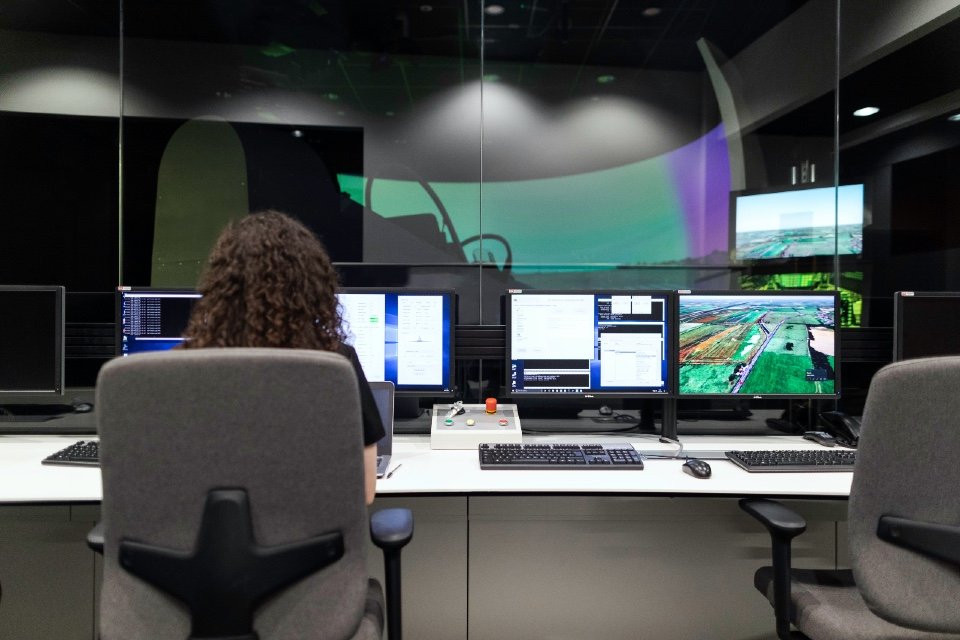
Photo by ThisisEngineering on Unsplash