




Fire safety inspections are a cornerstone of regulatory compliance and life safety in the built environment. Yet, across the UK, a significant number of fire safety inspections continue to fail – often for reasons unrelated to the fire safety equipment itself.
Drawing on years of experience of working with building owners, facility managers, and fire safety regulators, Triton Security explores why inspections fail and what organisations can do to ensure they are inspection-ready…
Inspection failures are systemic, not random
It is tempting to assume that failed fire safety inspections are caused by faulty alarms, extinguishers, or emergency lighting. In reality, the causes are far more systemic. Our analysis of inspection outcomes across multiple sectors reveals that failures overwhelmingly stem from process, documentation, and procedural lapses rather than equipment defects. Understanding these root causes is the first step toward meaningful compliance and risk mitigation.
Five reasons why fire safety inspections fail
1. Incomplete or outdated records
One of the most common reasons inspections fail is the lack of complete and up-to-date documentation. Fire risk assessments, service histories, test records, and maintenance logs must be current and accessible. Inspectors cannot verify compliance without proper documentation, and missing or outdated records are frequently flagged as a critical failure.
2. Lack of pre-inspection training
Many organisations rely on the assumption that installed systems are functional without conducting thorough pre-inspection testing. Systems that are untested or partially tested prior to inspection are highly likely to fail under scrutiny. Pre-inspection testing ensures any malfunctions or inconsistencies are identified and addressed proactively, rather than leaving them to be discovered during an audit.
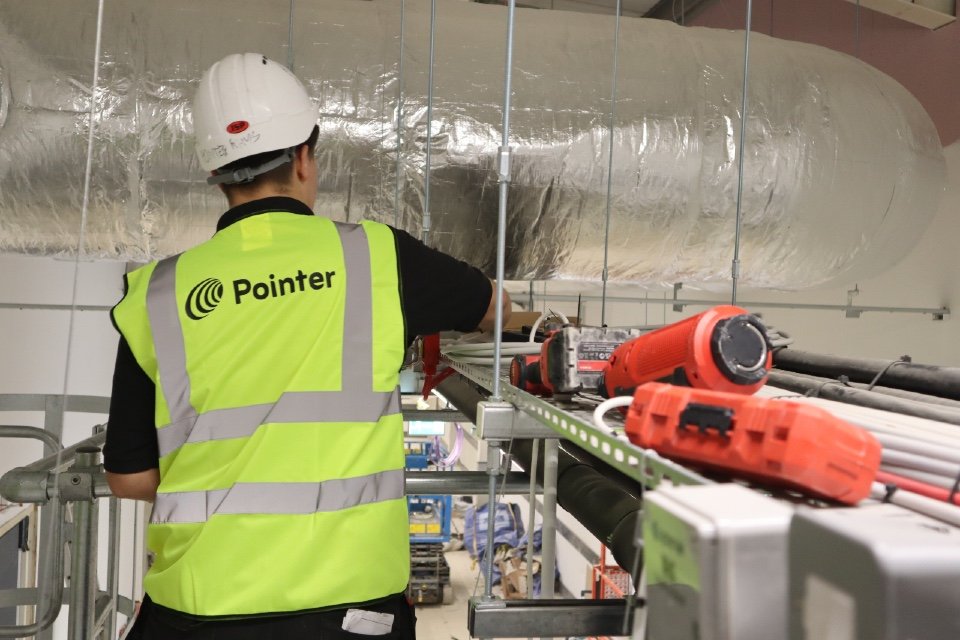
3. Improper installation
Even the highest-quality fire safety equipment will not perform adequately if it is installed incorrectly. Common installation errors include incorrect placement of fire detectors, improperly wired alarm systems, and failure to follow manufacturer or regulatory standards. These oversights are frequently cited as inspection failures, highlighting the importance of professional, standards-compliant installation processes.
4. Skipped verification and certification
Independent verification and third-party certification are often overlooked until the final stage of compliance. Many inspections fail because evidence of verification is incomplete or absent. Third-party certification, whether from NSI, BAFE, or other recognised bodies, is increasingly expected by regulators and insurers alike. Self-certification is rarely sufficient when it comes to fire safety.
5. Neglected maintenance and auditing
Fire safety systems are not static; they require routine maintenance, testing, and audits to remain compliant and operational. Facilities that neglect ongoing checks or postpone preventive maintenance often fail inspections due to unnoticed system degradation. Consistent maintenance programs are essential not just for compliance but for life safety.
The regulatory imperative
The importance of robust fire safety compliance has never been higher. Following the Grenfell Tower tragedy in 2017, we witnessed a wave of regulatory reforms, including the Building Safety Act 2022 and the Fire Safety (England) Regulations 2022. Building owners, managers, and developers now face heightened accountability and increased scrutiny. Failed inspections no longer represent minor infractions – they carry legal, financial, and reputational consequences.
Building a culture of safety
While passing inspections is, of course, a necessary step, it should not be the sole measure of an organisation’s fire safety competence. True safety comes from embedding it into the culture of day-to-day operations. This involves using inspection data to uncover patterns and recurring risks, training staff so everyone understands their role in maintaining safety, and integrating verification and maintenance into regular workflows. Organisations that take a proactive, rather than reactive, approach anticipate issues before they escalate, reducing failures and fostering an environment where fire safety is a shared responsibility rather than a regulatory checkbox.
Lessons learned
Inspection failures rarely stem from faulty equipment. Instead, they highlight systemic weaknesses that can be addressed through robust processes. Maintaining accurate records, conducting pre-inspection testing, ensuring proper installation, securing independent verification, and committing to ongoing maintenance are all essential. Organisations that embrace these principles not only improve their inspection outcomes but also build resilience, demonstrate accountability, and create safer environments for everyone in their care.
Fire safety inspections are more than a bureaucratic exercise – they are a vital measure of accountability and life safety. Businesses that understand the systemic causes of inspection failure, prioritise proactive risk management, and foster a culture of compliance will not only meet regulatory requirements but also ensure the safety of the people and properties they are responsible for.