



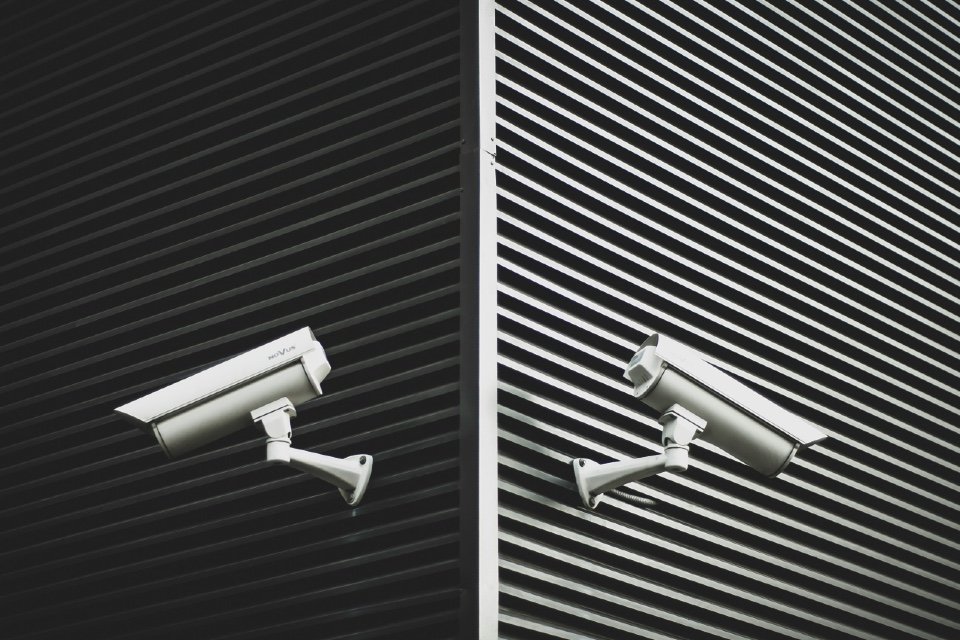
As we enter a new year, commercial security is entering a transformative period; technological innovation, changes in regulations, and evolving threat landscapes are reshaping how providers protect people, assets, and data. Triton Security has been closely observing these trends and have identified 6 key predictions for the year ahead, providing insight for facility managers, security professionals, and business leaders alike…
1. Physical meets cyber
The traditional separation between physical and cyber security is increasingly blurring. As commercial buildings adopt smart technologies – IoT-enabled access systems, connected surveillance cameras, and building management platforms – the security perimeter is no longer just walls and doors. In 2026, organisations will need integrated strategies that address both physical and digital vulnerabilities, ensuring that access controls, data integrity, and system resilience are managed holistically.
2. AI-powered as the standard
Artificial intelligence (AI) is set to move from experimental to essential. Advanced analytics and machine learning are becoming increasingly capable of spotting unusual patterns – whether in CCTV footage, access logs, or alarm systems – allowing organisations to respond proactively rather than reactively. By 2026, AI-powered threat detection will become a baseline expectation for commercial facilities looking for both efficiency and heightened protection.
3. Emphasis on compliance and reporting
Regulation is tightening across both physical security and data protection. Fire safety, health and safety, GDPR, and building management standards are merging with commercial security requirements, meaning businesses will face greater accountability in audits and inspections. By 2026, more companies will invest in automated compliance reporting and integrated monitoring to stay ahead of evolving regulatory landscapes.
4. Cyber-physical risk awareness
Recent trends show that breaches are often the result of interconnected vulnerabilities – physical access weaknesses enabling cyber intrusion, or vice versa. In 2026, we expect businesses to adopt risk frameworks that evaluate both cyber and physical threats together, prioritising investments where vulnerabilities merge, and developing holistic mitigation strategies.
5. Sustainability and ethics
Sustainability and ethical considerations are becoming ever more important to corporate strategy, and security is no exception. From energy-efficient surveillance systems to transparent use of AI and biometrics, businesses will increasingly be judged on how responsibly they manage both people and data. Security leaders will need to demonstrate that protection measures are not only effective but ethical and sustainable.
6. Human-centric remains irreplaceable
Despite technological advances, human expertise will continue to play a central role. Security personnel are critical for interpreting AI insights, managing crises, and maintaining trust in the workplace. Organisations that balance cutting-edge technology with skilled human oversight will be best positioned to address the complex threats of 2026.
In 2026, the commercial security landscape will be defined by integration, intelligence, and accountability. Physical and cyber security will converge, AI-driven monitoring will become the standard, regulatory compliance will be more complex, and ethics will influence investment decisions. Businesses that embrace these trends proactively will not only safeguard assets and personnel, but also boost their resilience and trust in an increasingly complex environment.
Photo by Miłosz Klinowski on Unsplash