


The physical perimeter is increasingly a continuity control point. Disruption scenarios such as power loss, severe weather, protests, system outages or partial evacuations are no longer edge cases. How access, movement and safety are managed at the perimeter often determines whether an organisation can continue operating, degrade safely, or grind to a halt. Designing continuity into the perimeter means planning not just for prevention, but for controlled operation under stress…
Power loss: fail safe, not fail open (or shut)
One of the most critical considerations is how perimeter systems behave during power failure. Access control, vehicle gates, barriers and turnstiles must default in a way that protects life safety and operational integrity.
Best practice is explicit fail-state design. Security leaders are defining which access points unlock automatically, which remain secure, and which require manual override, based on risk, occupancy and emergency response needs. Backup power, local control panels and clear procedures ensure staff can maintain safe movement even when central systems are offline.
Vehicle access and controlled flow
During disruption, unmanaged vehicle movement can quickly undermine continuity. Emergency vehicles, essential contractors and key staff may need priority access, while non-essential traffic must be restricted.
Modern vehicle access control systems now support dynamic permissions, allowing sites to change access rules in real time. In a restricted operation scenario, this enables security teams to maintain controlled flow rather than resorting to full lockdowns or ad-hoc decisions at the gate.
Physical design also matters: clear lane separation, manual override capability and safe holding areas reduce confusion and risk when systems are degraded.
Evacuation and partial occupation scenarios
Not all incidents require full evacuation. Continuity planning increasingly accounts for partial building use: closing one zone, rerouting movement, or maintaining access for critical functions while other areas are secured.
This relies on perimeter and internal access design working together. Zoning, layered access points and clear wayfinding allow people to move safely without crossing restricted areas. Security teams that rehearse these scenarios are far better positioned to manage real events calmly and safely.
People under pressure: clarity beats complexity
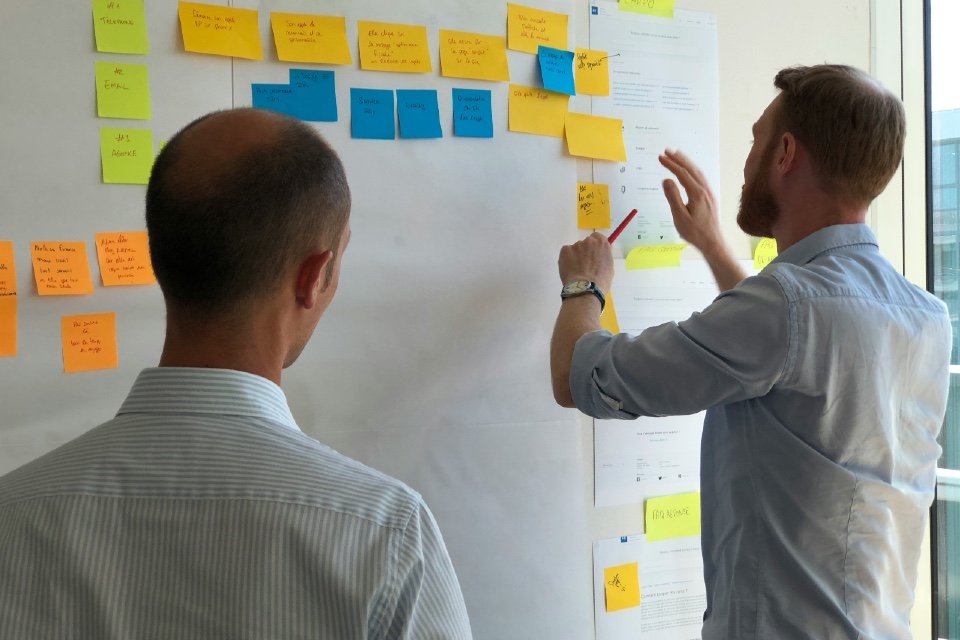
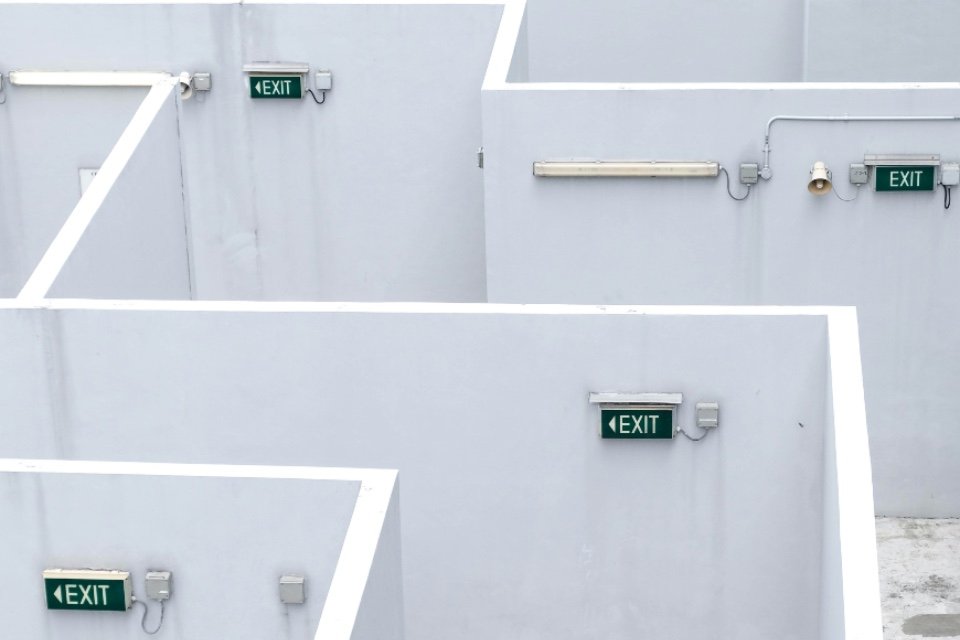
During disruption, people revert to instinct. Overly complex access rules or unclear overrides create delay and risk. Best practice is simplicity: intuitive layouts, visible signage, and procedures that staff can execute under stress.
Training and drills are essential. Continuity-focused perimeter design only works if frontline teams understand how to operate it.
Designing for continuity, not just control
The most resilient organisations treat the perimeter as an operational asset, not a static barrier. By designing access control, vehicle management and site layout with disruption in mind, physical security leaders can protect safety, maintain movement and support continuity, even when conditions are far from normal.
Continuity isn’t improvised at the perimeter. It’s designed in.
Are you searching for Business Continuity solutions for your organisation? The Total Security Summit can help!
Photo by Rayson Tan on Unsplash