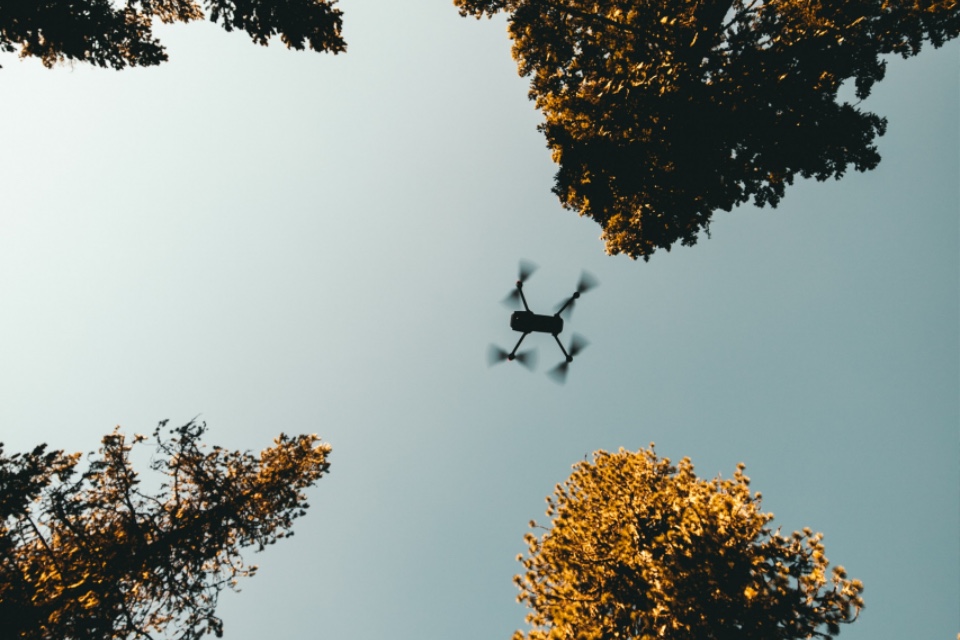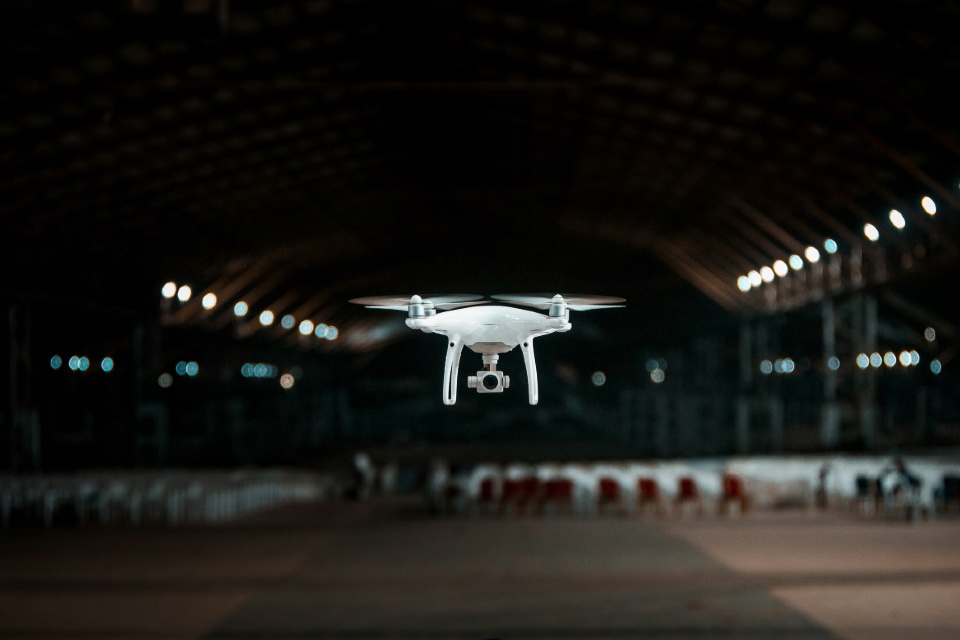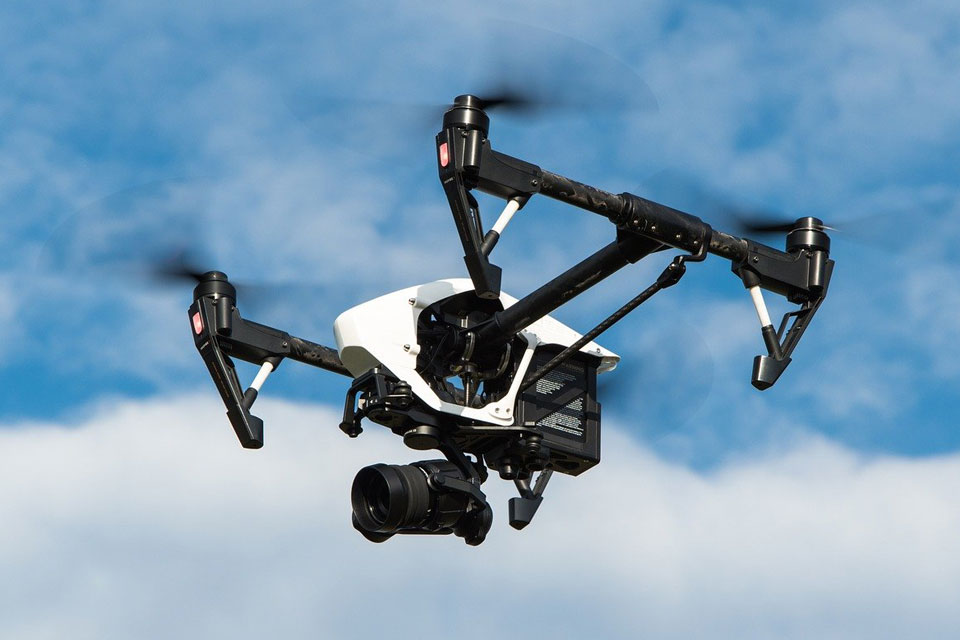





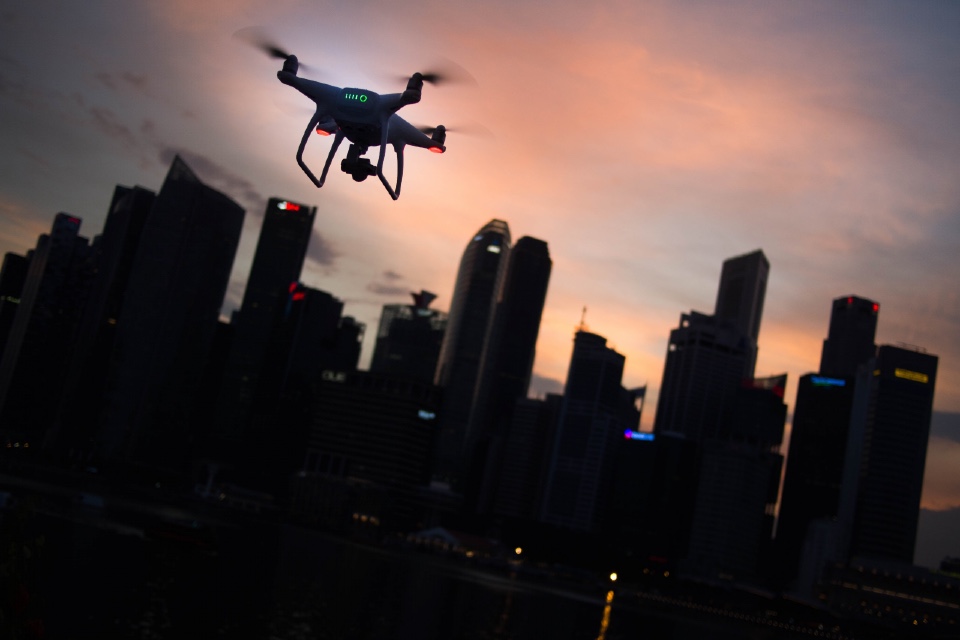
Drone technology presents both unique opportunities and novel threats in the world of commercial security. As drones in physical security become more widely adopted, organisations are re-evaluating traditional approaches to surveillance, perimeter protection and incident response. At the same time, the growing availability of unmanned aerial vehicles (UAVs) is creating new security challenges that require dedicated counter-drone strategies. Based on input from attendees at the Total Security Summit, here’s how drones are reshaping physical security and what security leaders need to consider.
How drones are changing physical security
Drones are transforming physical security by providing rapid aerial surveillance, improving situational awareness and supporting faster incident response. They can complement existing security measures such as CCTV, access control and on-site patrols, while also introducing new risks including unauthorised surveillance, contraband delivery and airspace security concerns.
For many organisations, the challenge is no longer whether drones will affect their security strategy, but how to maximise their benefits while managing the associated risks.
Security drone use cases
1. Enhanced surveillance capabilities
Drones offer a significant enhancement in surveillance capabilities. Equipped with high-resolution cameras, thermal imaging and night-vision technology, they provide a comprehensive view of large areas, making them particularly valuable for monitoring expansive commercial sites, industrial facilities, logistics hubs and critical infrastructure.
They can quickly cover areas that are difficult or time-consuming for ground patrols, allowing security teams to identify potential issues sooner and respond more effectively.
2. Cost-effective monitoring
Deploying drones for security purposes can be more cost-effective than relying solely on traditional patrols. They reduce the need for extensive manpower while covering more ground in less time, providing an efficient solution for routine inspections, perimeter patrols and remote site monitoring.
3. Faster emergency response
During emergencies, drones can be deployed within minutes to assess incidents from a safe distance, providing live video feeds and situational intelligence to security teams.
This real-time information supports faster decision-making during incidents such as:
- Trespassing
- Theft or vandalism
- Fire or smoke detection
- Flooding or severe weather
- Missing persons searches
- Perimeter breaches
By improving visibility before responders arrive, drones help security teams coordinate resources more effectively.
Counter-drone challenges for modern security teams
While organisations are increasingly deploying drones themselves, they must also prepare for malicious or unauthorised drone activity.
1. Privacy and unauthorised surveillance
One of the primary concerns is privacy infringement. Unauthorised drones can capture sensitive information, monitor restricted areas or record confidential business operations. This presents particular challenges for organisations handling valuable intellectual property, government facilities or critical infrastructure.
2. Physical security breaches
Drones can also be used to support criminal activity. Potential threats include:
- Conducting reconnaissance before a break-in
- Monitoring security patrol patterns
- Delivering contraband into restricted areas
- Circumventing traditional perimeter security
- Distracting security teams during coordinated incidents
These risks mean organisations increasingly need dedicated counter-drone procedures alongside traditional perimeter security.
3. Regulatory and safety considerations
The commercial use of drones comes with important regulatory obligations. Security teams must ensure drone operations comply with Civil Aviation Authority (CAA) requirements while also considering public safety, especially in busy urban environments where equipment failures could pose risks to people or property.
Building the right skills and governance
Introducing drones into physical security operations requires more than purchasing new technology. Organisations also need trained operators, clear operational procedures and robust governance.
Security personnel increasingly require skills in:
- Safe drone operation
- Mission planning
- Airspace regulations
- Image and video analysis
- Incident reporting
- Data protection and privacy compliance
Investing in training helps ensure drones deliver operational value while remaining compliant with legal and organisational requirements.
Integrating drones into wider security operations
The greatest value comes when drones work alongside existing physical security systems rather than operating independently.
Leading organisations are integrating drone operations with:
- CCTV and video management platforms
- Access control systems
- Perimeter intrusion detection
- Incident management software
- Control room operations
- Mobile security patrols
This creates a more complete picture of site activity and allows faster, more coordinated responses when incidents occur.
Conclusion
Drones are reshaping commercial physical security by extending surveillance capabilities, improving emergency response and increasing operational efficiency. At the same time, they introduce new risks that require organisations to strengthen their counter-drone capabilities, governance and regulatory compliance.
For security leaders, success lies in balancing innovation with resilience. By integrating drones into wider physical security strategies while preparing for the threats posed by unauthorised UAVs, organisations can improve situational awareness, strengthen perimeter protection and build more effective security operations for the years ahead.
Are you researching drone security solutions for your organisation? The Total Security Summit can help!
Photo by Goh Rhy Yan on Unsplash