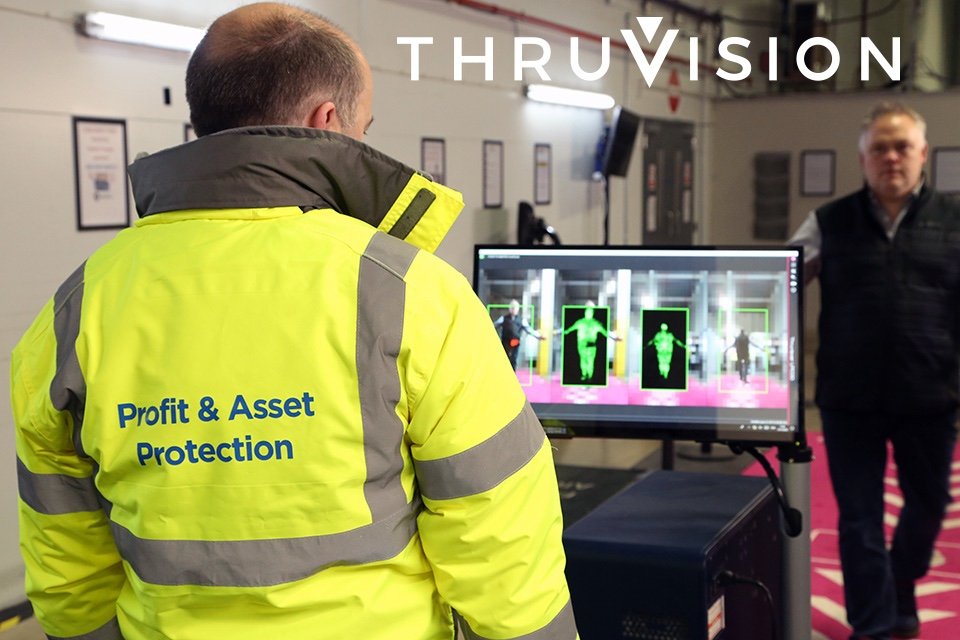





AI loss prevention is rapidly changing how organisations detect, prevent and respond to theft, fraud and operational risks. Artificial Intelligence (AI) and Machine Learning (ML) have emerged as formidable tools for physical security professionals, significantly enhancing the capabilities of loss prevention strategies. Rather than simply augmenting traditional security measures, AI loss prevention solutions are reshaping them, offering innovative ways to identify threats, reduce shrinkage and improve operational efficiency across commercial environments. Here we explore the impact of AI and ML on modern loss prevention in physical security.
Key Uses of AI Loss Prevention in Physical Security
AI loss prevention combines intelligent video analytics, access control, predictive analytics and automated monitoring to identify suspicious activity before it becomes a costly incident. From retail stores and warehouses to commercial offices and critical infrastructure, organisations are increasingly using AI to improve visibility, reduce false alarms and support faster security decision-making.
AI-Powered Surveillance and Theft Detection
One of the primary applications of AI loss prevention is in advanced surveillance systems. Traditional CCTV often relies on continuous human monitoring, which is susceptible to fatigue and error. AI-powered cameras and video analytics platforms, however, can continuously monitor and analyse live video feeds for suspicious activities or anomalies.
Using machine learning algorithms, these systems improve over time, becoming more effective at recognising potential threats. In retail environments, for example, AI can detect unusual patterns of movement or behaviour associated with shoplifting, organised retail crime or internal theft, alerting security personnel in real time.
Smarter Access Control and Identity Verification
AI and ML have also made significant advances in access control systems.
Biometric technologies such as facial recognition and fingerprint authentication have become more accurate through machine learning, enabling organisations to verify identities with greater confidence and reduce the risk of unauthorised access.
AI can also analyse access patterns to detect unusual entries, repeated failed access attempts or abnormal user behaviour, strengthening physical security while supporting wider AI loss prevention strategies.
Reducing False Alarms with Intelligent Intrusion Detection
AI and ML are transforming intrusion detection systems by improving accuracy and reducing unnecessary alerts.
Traditional alarm systems can generate false alarms from harmless disturbances, creating unnecessary workloads for security teams. AI-enhanced systems are better able to distinguish between genuine security incidents and non-threatening events, allowing personnel to focus on real risks and respond more quickly when intervention is required.
Predictive Analytics for Proactive Loss Prevention
AI-driven analytics play a crucial role in proactive AI loss prevention.
By analysing large volumes of operational and security data, AI can identify patterns, trends and vulnerabilities that may otherwise go unnoticed. This predictive capability enables security professionals to strengthen controls before incidents occur, whether by increasing surveillance in high-risk areas, adjusting staffing levels or improving access controls.
Moving from reactive investigations to proactive risk management is one of the biggest advantages AI brings to physical security.
Improving Operational Efficiency
The integration of AI and ML has also improved the efficiency of day-to-day security operations.
Automated processes can handle routine monitoring, event classification and initial incident detection, allowing security personnel to focus on higher-value activities such as investigations, incident response and strategic planning.
This not only improves operational effectiveness but can also reduce long-term security costs.
Supporting Retail Loss Prevention and Reducing Shrinkage
In retail environments, AI loss prevention extends beyond security monitoring.
Retailers are increasingly using AI to analyse customer movement, shopping behaviour and interactions with products. These insights help businesses:
- Reduce inventory shrinkage
- Improve store layouts
- Optimise product placement
- Detect suspicious purchasing patterns
- Identify operational inefficiencies
By combining physical security with business intelligence, AI supports both loss prevention and improved customer experience.
The Future of AI Loss Prevention
AI and machine learning are proving to be powerful allies for commercial physical security professionals. By enhancing surveillance, strengthening access control, improving intrusion detection and delivering predictive analytics, AI loss prevention technologies are helping organisations reduce theft, minimise shrinkage and improve operational resilience.
As AI continues to evolve, its role in physical security and loss prevention will become even more sophisticated, enabling organisations to move beyond traditional security measures towards intelligent, proactive systems that protect people, assets and operations more effectively than ever before.
Learn more about the use of AI in physical security at the Total Security Summit.