





Organisations across the UK are recognising that effective incident management is no longer a siloed effort. A new wave of public-private security partnerships is reshaping how incidents are assessed and responded to through real-time information sharing, joint training and integrated technologies. Growing interest in policing and protective security initiatives, as well as public-private partnerships, reflects a wider recognition that collaboration between public authorities and private organisations is essential for improving resilience and incident response.
The role of public-private partnerships in protective security
In both public spaces and commercial environments, security teams face rising pressure to respond swiftly to a wide range of threats, from unauthorised access and civil disruption to organised crime and lone-actor incidents. The key to managing these challenges often lies in collaboration. Increasingly, local authorities, emergency services and private security operators are pooling intelligence and resources to improve situational awareness and incident response.
Shared technology and real-time intelligence
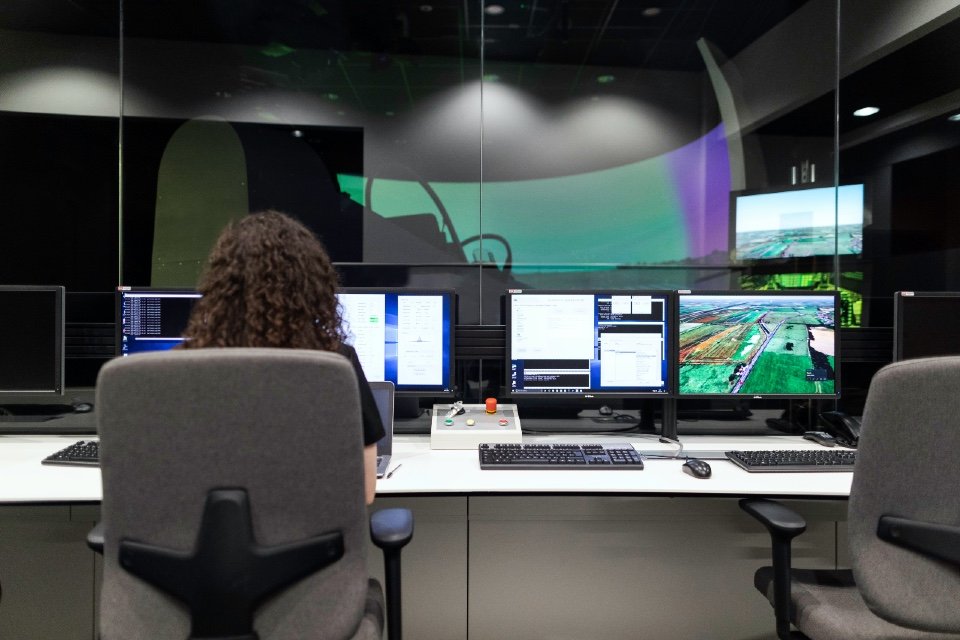
One major driver of this shift is technology. Many councils and business districts are investing in shared surveillance infrastructure, including CCTV networks linked to regional control centres. When incidents occur, real-time footage and sensor data can be accessed by both public and private stakeholders, enabling faster, more informed decision-making.
Some partnerships are going even further, integrating AI-powered analytics into joint platforms to detect anomalies and flag emerging threats. For instance, facial recognition systems, vehicle tracking and behavioural analysis tools are being used to assess patterns across city centres, helping identify repeat offenders or potential flashpoints before incidents escalate.
Joint training and coordinated response
Training and scenario planning are also evolving to reflect this collaborative approach. Leading examples include multi-agency tabletop exercises and live simulations, where stakeholders from different sectors rehearse coordinated responses to security breaches, natural disasters or mass evacuations. These exercises not only reveal capability gaps but also build trust and streamline communication channels between partners.
Governance and accountability
However, the success of these partnerships hinges on clarity of roles and shared governance structures. Clear protocols for data sharing, accountability and post-incident review are essential to ensure compliance with regulations such as GDPR and maintain public confidence.
Looking ahead
Looking ahead, the future of incident assessment will likely involve deeper integration between security technologies and command-and-control platforms that span both private estates and public infrastructure. As security threats continue to evolve, collaboration, rather than competition, will be key to resilience.
For facilities managers, estate operators and local authorities, now is the time to audit existing protocols and explore how public-private collaboration can enhance incident assessment. By forming trusted partnerships and investing in shared capabilities, UK organisations can collectively raise the bar for safety, responsiveness and operational confidence.
Are you searching for incident management and assessment solutions for your organisation? The Total Security Summit can help!
Photo by Max Fleischmann on Unsplash