




Security has become increasingly digital. Organisations invest heavily in access control systems, identity management, surveillance and cyber security. Yet one of the oldest forms of access control is still relied upon every day: the physical key 🔑
Keys aren’t necessarily the problem. The issue is the lack of visibility.
A physical key does more than open a door. It can provide access to a vehicle, restricted room, piece of equipment, plant area or critical operational asset. In effect, every key represents a permission.
The question for security teams, therefore, should not simply be: “Where are our keys?”
It should be: “Who currently has authorised access to our assets?”
For many organisations, answering that question still depends on paper registers, spreadsheets, traditional key cabinets or somebody remembering who collected a key earlier in the day.
Most of the time, nothing dramatic happens. But uncertainty creates its own problems.
Staff search for keys. Managers make phone calls. Contractors wait for access. Overdue keys go unnoticed. And when an incident, audit or investigation does occur, reconstructing exactly who had access and when can become unnecessarily difficult.
This is why key management should increasingly be viewed as part of an organisation’s wider access-control strategy.
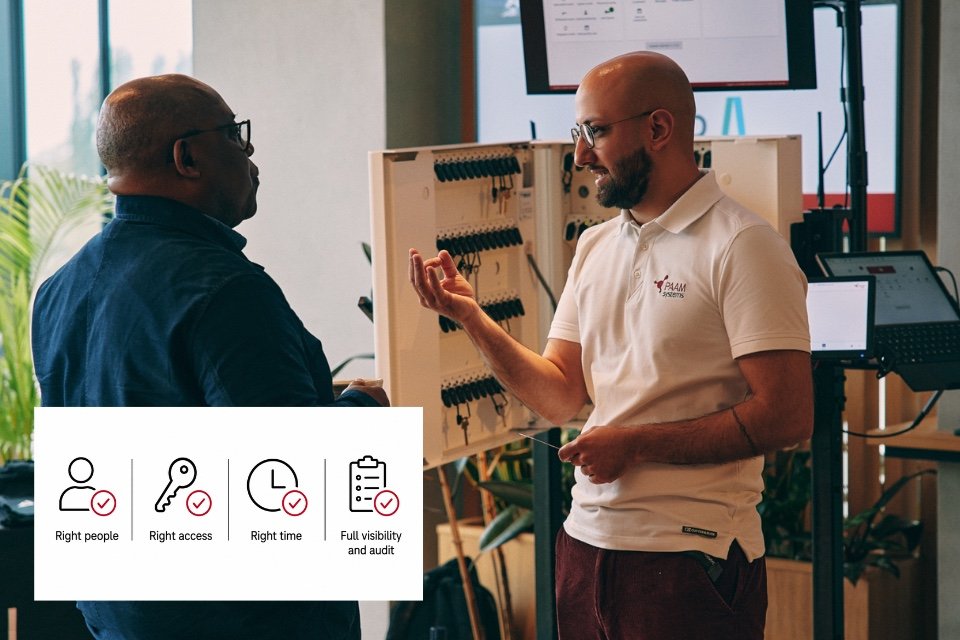
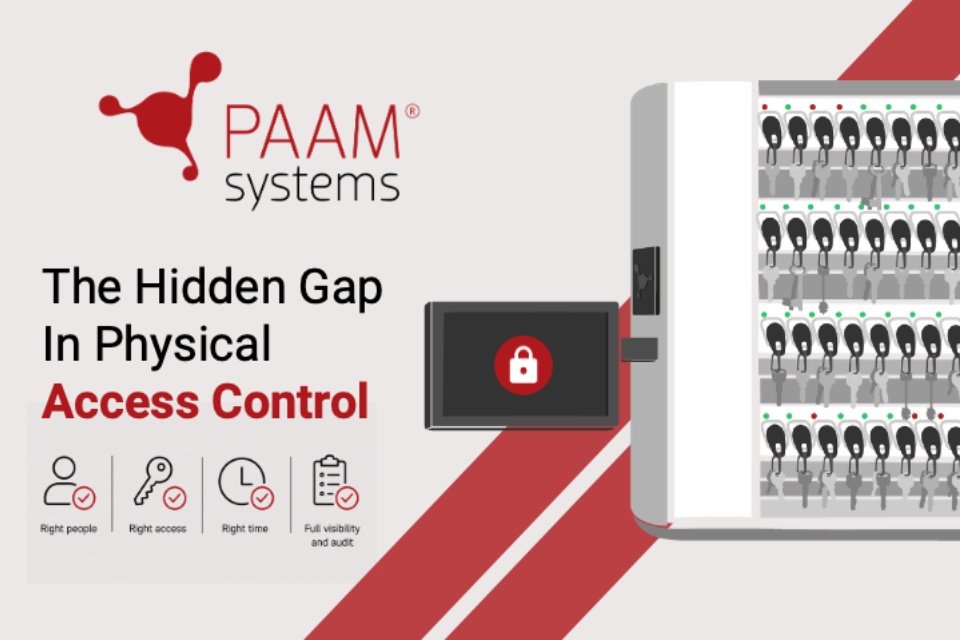
Modern security teams need more than a secure storage. They need accountability: the ability to control who can access individual keys, automatically record transactions, identify overdue keys and see the current status of critical assets without relying on manual processes.
At PAAM Systems, we believe the future of key management is not really about managing keys at all.
It is about removing uncertainty from physical access.
By giving organisations greater visibility and control over who can access their buildings, vehicles, equipment and other assets, intelligent key management becomes part of a broader objective: creating safer, more accountable and more resilient operations.
Because ultimately, the value is not in the key itself.
It is in what that key provides access to.