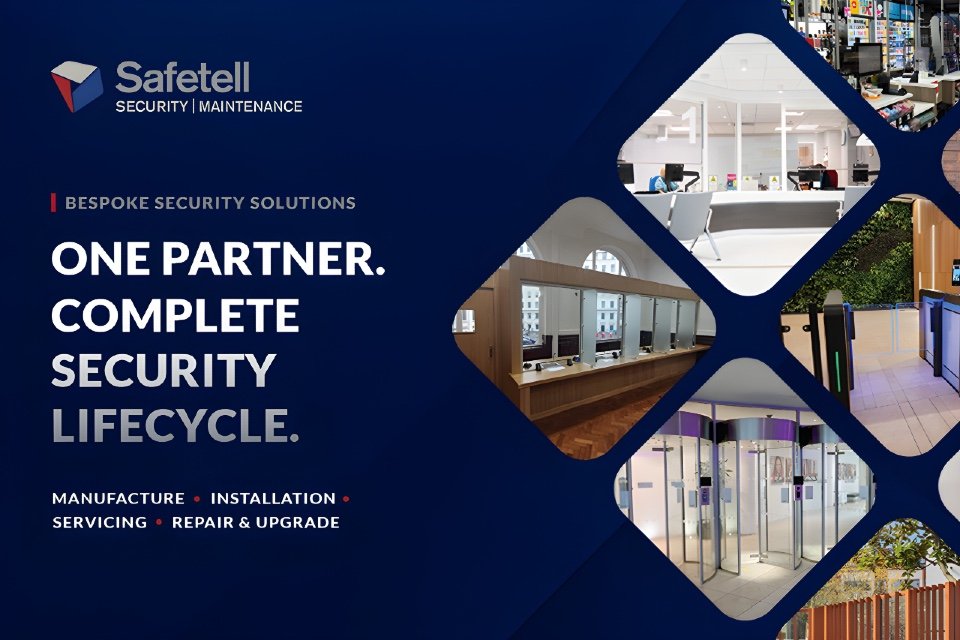






Speed gates, turnstiles, security portals and automatic doors work hard in high-traffic buildings. Without planned servicing, wear leads to downtime, safety incidents and non-compliance.
Why It Matters
Regular maintenance catches faults early: a drifting sensor that allows tailgating, a worn drive belt, or a degraded backup battery that fails in a power cut. Planned visits also cost less than emergency callouts and give you documented evidence of compliance if an incident or inspection occurs.
Because entrance systems count as machinery, a malfunction can injure users, particularly those with mobility or visual impairments.
Regulations and Standards
- BS EN 16005 sets safety requirements for powered pedestrian doorsets. It is the minimum for new installations and best practice for existing ones.
- Workplace (Health, Safety and Welfare) Regulations 1992 require equipment to be kept in efficient working order and good repair.
- PUWER 1998 requires work equipment to be maintained, with up-to-date logs.
- Supply of Machinery (Safety) Regulations 2008 may treat significantly modified doors as new machines that must meet current standards.
How Often to Service
Most systems need at least one planned preventative visit per year. High-traffic sites, such as hospitals, transport hubs and large headquarters, may need two. Between visits, occupiers should check for unusual noises, slow operation, damaged sensors and missing warning signs.
What a Visit Covers
Engineers typically inspect components visually, test safety sensors, verify emergency release and fire alarm interfaces, check drive units, test power supply and battery backup, confirm access control integration, and issue an electronic report with lifecycle advice.
Building a Schedule
- Audit every entrance control asset.
- Assess traffic and risk for each location.
- Set service intervals.
- Choose a maintenance partner.
- Train staff in occupier checks.
Choosing a Partner
Look for ADSA approval, engineers trained to BS EN 16005, BS 7858 vetting, and the ability to service multiple manufacturers’ equipment. Nationwide coverage and flexible contract options are valuable for multi-site estates. A repair-not-replace approach keeps lifecycle costs down by retaining existing equipment where a safe repair is practical.
Conclusion
Maintaining entrance control systems is a legal obligation, a safety priority and a sound financial decision. A structured programme with documented records protects building users and your organisation’s compliance position.