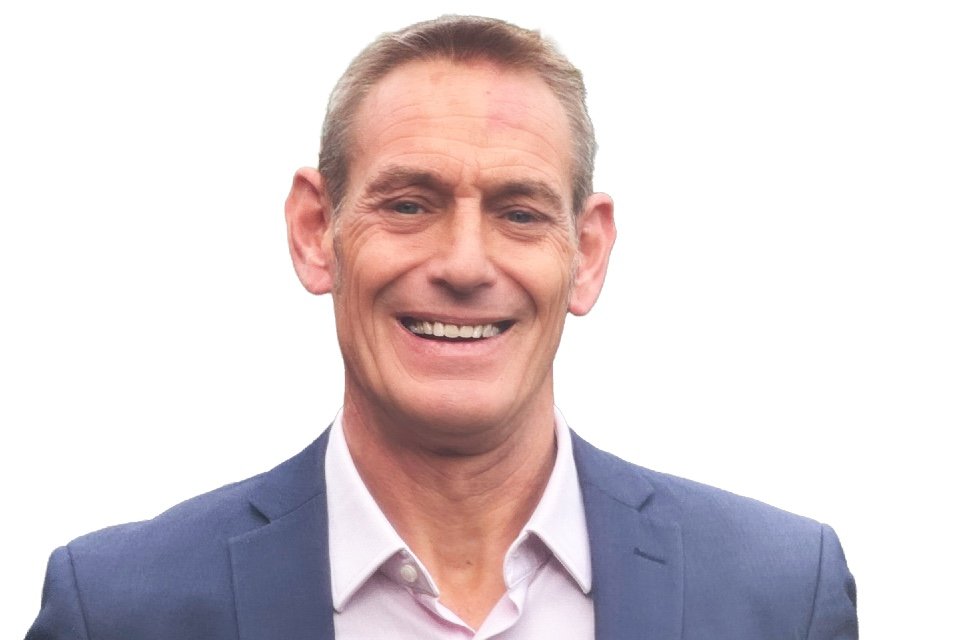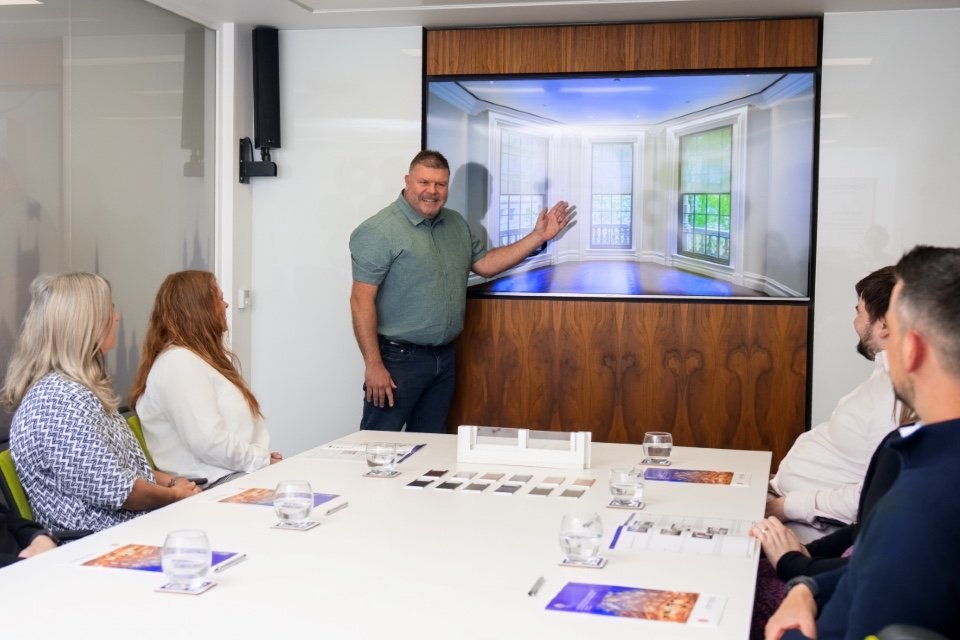





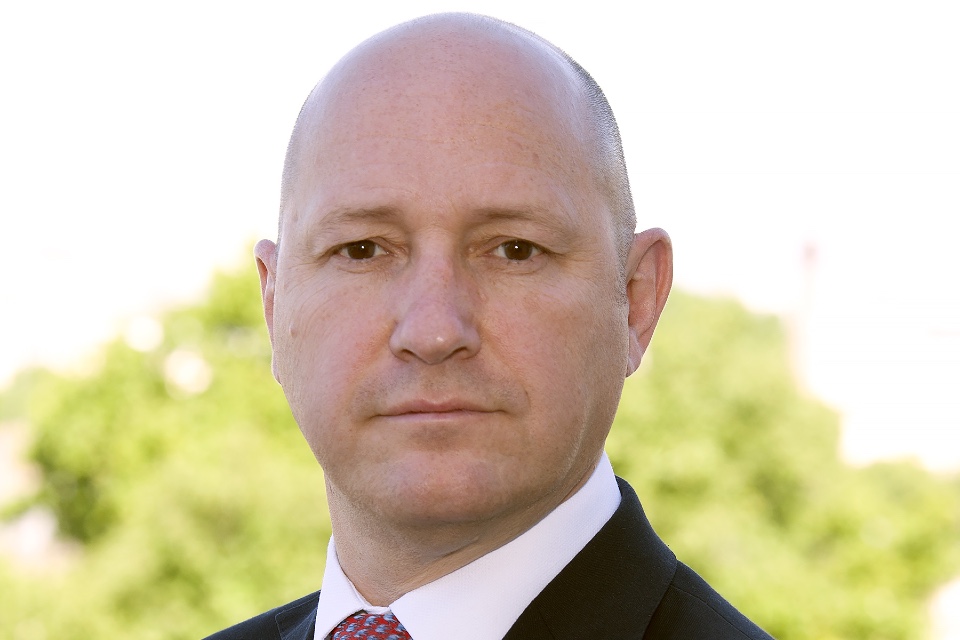
In the latest instalment of our 5 Minutes With… series, we speak to Dominic Murphy, Co-Founder and CEO of Taverner Risk, a specialist security and resilience consultancy. Drawing on decades of senior operational experience in policing and national security, Dominic discusses the convergence of physical, cyber and geopolitical threats, why security must become a board-level priority, and the importance of maintaining human judgement as artificial intelligence transforms the sector…
Tell us about your company/organisation, products and services.
Taverner Risk is a specialist security and resilience consultancy. We help boards, and senior leaders and government agencies understand complex threats, prepare for serious incidents and make sound decisions under pressure. Our work covers terrorism, state threats, insider risk, protective security, investigations, crisis preparedness and organisational resilience, drawing on decades of senior operational experience at chef officer level.
What have been the biggest challenges the Security industry has faced over the past 12 months?
The greatest challenge has been the convergence of threats that were once treated separately. Terrorism, hostile-state activity, cyber disruption, sabotage, criminal proxies and insider risk increasingly overlap. Organisations may see the incident before they understand the actor or motive, so the security industry must be able to deal with ambiguity, speed and incomplete information. This reflects the “blended zone” described in my seminar at the total security summit.
And what have been the biggest opportunities?
The opportunity is to reposition security as a contributor to organisational resilience and ultimately, market advantage. Rather than simply a protective or compliance function, as it often seems to be. When security teams connect threat intelligence with governance, business continuity and executive decision-making, they can help organisations anticipate disruption, protect value and recover more quickly. I do this using real world case studies from a career in policing national security.
What is the biggest priority for the Security industry this coming year?
Turning plans into tested capability and getting boards to see the link to longer term business resilience. Many organisations have policies and response plans, but the real question is whether people understand their roles and can make difficult decisions when information is uncertain and time is limited. Exercising senior leaders, clarifying accountability and learning from realistic scenarios should be central priorities.
What are the main trends you are expecting to see in the market this coming year?
I expect to see greater demand for integrated threat assessment, board-level resilience, insider-risk management and support for increasingly ambiguous incidents. Organisations will also look for closer connections between physical security, cyber, intelligence, legal, communications and business continuity, rather than allowing each function to manage risk separately. This integration will be the difference between success and failure under pressure from a volatile and uncertain world.
What technology is going to have the biggest impact on the market going forward?
Artificial intelligence will have the greatest impact, both as an opportunity and a threat. It can improve analysis, identify patterns and support faster decisions, but it can also enable more convincing deception, hostile reconnaissance and influence activity. The important question will not simply be whether organisations adopt artificial intelligence, but whether they govern and challenge it properly.
In five years’ time we’ll all be talking about…?
How we preserved human judgement in an increasingly automated security environment against the increased threats and unstable geopolitics having a localised impact. Technology will provide more data and faster analysis, but accountability will remain with people. The organisations that succeed will be those that combine technological capability with experienced judgement, strong governance and the confidence to question what the technology is telling them.
Which person in, or associated with, the Security industry would you most like to meet?
I would choose someone from outside the conventional security world whose decisions have had to withstand genuine uncertainty and scrutiny. The CEO or chair of the Jaguar Landover board would not doubt have a challenging but valuable story to tell. The most valuable conversations often come from comparing how people in different sectors build resilience, lead through disruption and remain accountable when there is no perfect answer.
What’s the most surprising thing you’ve learnt about the Security sector?
How often the difficulty is not recognising the threat, but turning that understanding into action….plus, the speed at which some in the private sector tend to make decisions. Organisations can possess excellent intelligence, capable people and detailed plans, yet still struggle with ownership, escalation and decision-making. Security succeeds when insight leads to clear, proportionate action rather than simply producing more information.
You go to the bar at the Total Security Summit. What’s your tipple of choice?
A good glass of red wine, although the company and conversation matter more than what is in the glass.
What’s the most exciting thing about your job?
Helping people make sense of difficult and fast-moving situations. After a career spent dealing with high-consequence national-security challenges, often in Command positions, I enjoy translating that experience into practical advice that helps leaders prepare properly, make better decisions and protect their people and organisations.
And what’s the most challenging?
Ensuring that sensible preparation receives attention before an incident occurs. Security and resilience compete with many immediate business pressures, but the cost of neglecting them often becomes clear only when an organisation is tested. The challenge is to make preparedness practical, proportionate and relevant to senior leaders.
What’s the best piece of advice you’ve ever been given?
“Be clear about what you know, what you do not know and what you are doing next.” It is simple advice, but it has served me well throughout investigations, crises and senior leadership. People do not always expect certainty, but they do expect honesty, direction and calm judgement.
The Traitors or Love Island?
The Traitors. Strategy, trust, incomplete information and questionable alliances. It has more in common with parts of my professional life than I would probably like to admit.
Discover more about Dominic and his work at Taverner Risk at the Total Security Summit, which brings together senior security decision-makers with relevant solution providers through pre-arranged one-to-one meetings, providing an opportunity to explore loss management, surveillance, access control, asset protection and wider physical security solutions.