





Facial recognition technology has become a vital part of the UK’s security infrastructure, evolving far beyond its traditional role in access control. Today, facial recognition use cases span a wide range of security applications, from surveillance analytics and visitor management to attendance tracking and real-time threat detection.
For public institutions and corporate environments alike, this shift reflects a growing demand for proactive, intelligent, and frictionless security solutions that improve safety without compromising operational efficiency. As organisations continue to modernise their security strategies, understanding the different facial recognition use cases across sectors is becoming increasingly important.
Top facial recognition use cases in security
While access control remains a core application, facial recognition is now supporting security operations across offices, public venues, transport networks, and critical infrastructure. These use cases help organisations improve situational awareness, streamline operations, and strengthen overall resilience.
Offices and Corporate Campuses: Visitor Management and Workplace Efficiency
In corporate and public sector facilities, facial recognition is streamlining visitor registration and check-in processes. Instead of manual ID verification or badge printing, visitors can pre-register and be granted fast, contactless access upon arrival.
✔ Enhances security by verifying identity with high accuracy.
✔ Improves the visitor experience and reduces bottlenecks at reception.
✔ Creates digital logs for audit, compliance, and emergency evacuation planning.
For high-traffic environments such as offices, hospitals, and government buildings, this integration supports both security and customer service goals.
Public Venues and Transport: Surveillance Analytics and Real-Time Monitoring
Facial recognition is being integrated into video surveillance systems to provide automated monitoring and situational awareness. AI-powered analytics can identify known individuals, detect suspicious behaviour, and alert security teams in real time.
✔ Law enforcement agencies are using the technology in public spaces to monitor for persons of interest or flagged individuals.
✔ Corporate campuses are deploying it to enhance perimeter security and monitor for unauthorised entry without constant human supervision.
✔ Events and transport hubs are benefiting from faster incident response by linking camera footage to identity databases.
These systems enable organisations to transition from passive surveillance to proactive threat detection, enhancing the overall resilience of their security infrastructure.
Secure Workplaces and Critical Infrastructure: Attendance and Workforce Tracking
Organisations are also applying facial recognition to track employee attendance in secure or regulated environments, including manufacturing facilities, utilities, logistics centres, and other critical infrastructure sites. This replaces manual sign-ins or badge swipes, reducing administrative burden and preventing time fraud.
✔ Ensures accurate attendance records for payroll and compliance.
✔ Helps manage workforce flow in hybrid or shift-based workplaces.
✔ Can be linked to HR and building management systems for deeper operational insights.
For organisations operating critical sites, these capabilities improve both workforce management and security oversight.
Implementing Facial Recognition Responsibly
While adoption is growing, facial recognition comes with important considerations around privacy, bias, and data protection. Responsible implementation requires:
- Transparent communication with staff and visitors.
- Compliance with UK GDPR and surveillance camera codes.
- Regular audits and bias testing of facial recognition algorithms.
- Clear governance over how biometric data is collected, stored, and retained.
Balancing innovation with strong governance helps organisations build trust while maintaining compliance.
Conclusion
Facial recognition technology is evolving from a point solution into a multi-functional security asset. From offices and corporate campuses to public venues, transport networks, and critical infrastructure, today’s facial recognition use cases extend well beyond access control. By combining intelligent surveillance, streamlined visitor management, workforce tracking, and responsible data governance, organisations can build safer, smarter, and more efficient security operations without adding friction to everyday activities.
Are you searching for facial recognition solutions for your organisation? The Total Security Summit can help!
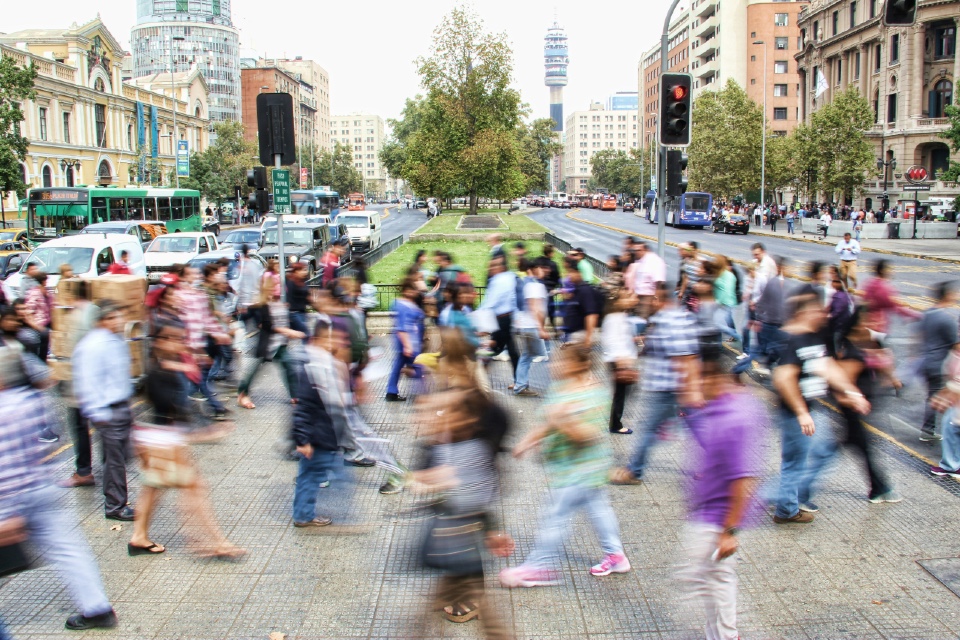
Photo by mauro mora on Unsplash



One Response