





In an era of evolving physical security threats, from unauthorised access and insider risk to active intruder scenarios, organisations across both public and private sectors attending the Total Security Summit are recognising the need for more immersive, realistic staff training. Security scenario training is becoming an essential part of modern preparedness, helping organisations build the agility, decision-making and confidence needed to respond effectively in high-stress situations. Traditional classroom-based instruction alone is no longer enough to achieve these outcomes.
How security scenario training reduces response gaps
Security scenario training places staff in realistic situations that mirror the incidents they may face in the workplace. It can include live drills, virtual reality (VR) simulations, digital twins, tabletop exercises and role-based scenarios that allow teams to practise decision-making, communication and incident response in a safe, controlled environment before a real emergency occurs.
That’s why security leaders are increasingly turning to scenario-based simulations, powered by tools such as virtual reality (VR), digital twins and tabletop exercises, to prepare their teams for the unexpected.
Virtual reality simulations
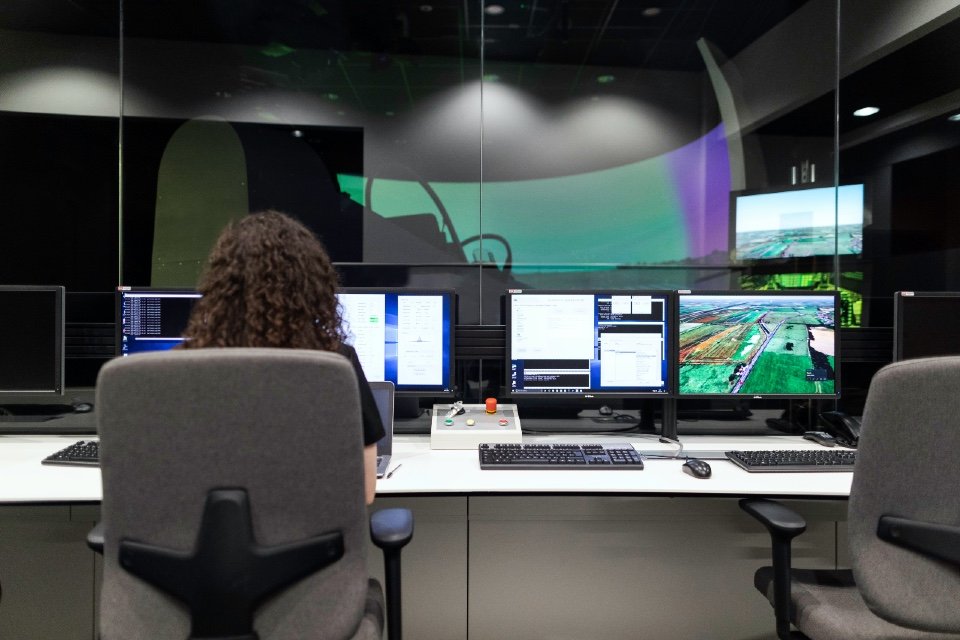
Virtual reality simulations offer high-fidelity, repeatable training environments that allow users to practise threat responses without real-world consequences. Whether it’s de-escalating a confrontation at a facility entrance or coordinating with emergency services during an evacuation, VR enables frontline staff and managers to rehearse high-stakes scenarios in a safe, controlled space. As headset technology becomes more affordable and software more adaptable, VR is becoming a valuable component of blended security training programmes.
Digital twins and site-specific preparedness
Digital twins (virtual replicas of real-world buildings, campuses or city zones) take preparedness even further. By simulating how an incident might unfold in the exact layout of a specific site, these models allow security teams to test and refine emergency procedures with unparalleled accuracy. Integrating sensor data and access control points into the simulation means response plans can be pressure-tested under realistic constraints, helping to identify blind spots and bottlenecks before a real crisis occurs.
Tabletop exercises and collaborative decision-making
Tabletop simulations remain a vital and cost-effective training tool, especially for senior security managers, business continuity teams and crisis communications leads. These structured discussions walk teams through hypothetical incidents, encouraging cross-departmental collaboration and decision-making under pressure. The best-run tabletop sessions go beyond “what if” conversations, incorporating dynamic injects and real-time decisions to mimic the pace and complexity of real emergencies.
Learning from every exercise
Scenario-based training also supports better post-incident reviews. By capturing and analysing how participants perform during a simulation, through heatmaps, response timing and decision logs, organisations can identify skills gaps and refine their ongoing training priorities.
Building confidence through practice
Ultimately, building true incident readiness isn’t just about having a plan, it’s about practising it until it becomes second nature. Immersive training ensures that when the unexpected occurs, your people don’t freeze or falter; they act with clarity, coordination and confidence.
As threats grow more complex, organisations must invest in smart, scenario-led training that empowers their teams to respond faster, safer and smarter than ever before.
Are you searching for incident management and assessment solutions for your organisation? The Total Security Summit can help!
Photo by Edge2Edge Media on Unsplash